Sedef Betil ACG 66 Focuses Her Lens on the Intricacies of Filial Dynamics

“RC made me a good reader which in return made me a writer.”

Author Sedef Betil has followed her short story collections with an intergenerational novel: Leylekler Aşklar Söylentiler (Storks Loves Rumors, İletişim Yayınları). Revolving around a painter, the novel spans decades, while exploring filial dynamics. Indeed it was the importance of families that incited Betil to write in long form: “We get our first values, behavioral traits, tastes of all sorts through family members. Large families enlarge one’s views, especially if you live together, even partly. I grew up with lots of women around me. My latest book covers the very long life of a woman. It is more or less a debt gratitude to my large family who had nourished me with their love, knowledge and wit and who also challenged my curiosity.”

When comparing the two literary forms, Betil sees a clear difference in creative process: “I prefer to express myself, to narrate my stories in short texts, that is why I write short stories; it’s like taking a photograph of a feeling, a gesture, a cry, an unspeakable joy or desire. Writing a short story needs a lot of concentration, I generate my thoughts around the subject for a while, but then it comes out fast and clear. Novel writing needs a longer time, more planning and working.”

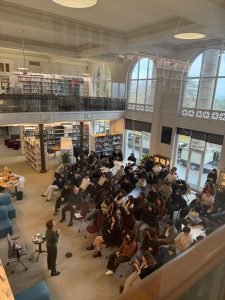
Betil returned to the RC campus on December 22, 2025 as a guest of the Turkish Language and Literature Department to engage with current RC students. She puts the contribution of RC to her literary career succinctly: “RC made me a good reader which in return made me a writer.”
Author Hikmet Hükümenoğlu RC 89 Forays Into Theater and Film

And has a new novel out!

Award-winning author Hikmet Hükümenoğlu wrote his very first play, Fora, which premiered in IKSV Theater Festival in November 2025. Hükümenoğlu’s interest in theater harks back to his RC days. He wrote and directed his first play for the Turkish Drama Club in his senior year: “That’s when I really caught the bug,” he recalls, “or as we say in Turkish, sahne tozu.”

After writing fiction, what motivated him to turn to playwriting was his long-standing love for the medium: “I’ve always loved theatre and wanted to explore its unique ability to connect directly with an audience. As for the subject matter of Fora—dysfunctional families have more or less become my niche by now. It still feels endlessly rich and relevant to me.”

The play’s premiere at İKSV Theater Festival was attended by a large group of RC alumni, and Hükümenoğlu describes the event as one of the most exciting ones of his life: “It was a great honor. As a teenager, I used to wait in ticket queues for hours just to attend the festival, so being part of it now felt both surreal and deeply meaningful.”

2025 brought another excitement into Hükümenoğlu’s life: Hükümenoğlu’s first procedural crime novel, Sonra Gözler Görür, (Eyes See Later, İthaki Yayınları), had created quite a stir, and it was adapted into a series to be streamed on Netflix. Hükümenoğlu says the possibility of the novel turning into a series had crossed his mind, as he was writing it: “I certainly wasn’t expecting it to happen so quickly. My main focus was writing an engaging and compelling procedural novel. The series feels like the icing on the cake.”

A frequent guest of the RC Turkish Literature Department, Hükümenoğlu says he is always struck by RC students’ self-confidence, maturity, and intelligence: “Even the students nodding off in the back rows somehow look like they’re deeply engaged with what I’m saying—which I choose to take as a compliment.” With his latest novel, Bu Dünyada Yaşamak (Living in This World), released in January 2026 , there are plenty of reasons for the author to visit the campus once again.

Güvenç Özel RC 98 Exhibits Neuroflux in Istanbul

The installation creates a shared space between human and algorithm.

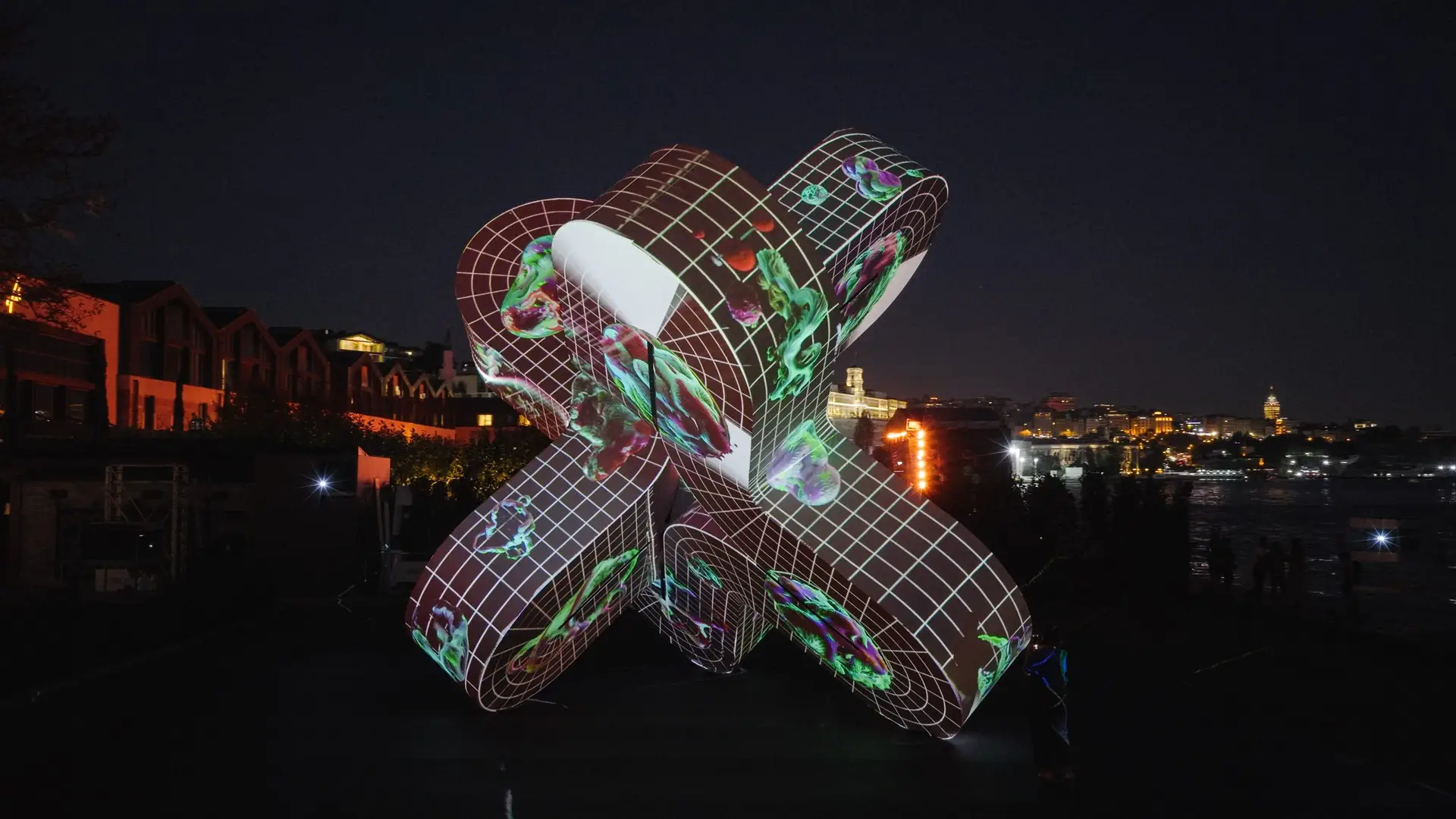
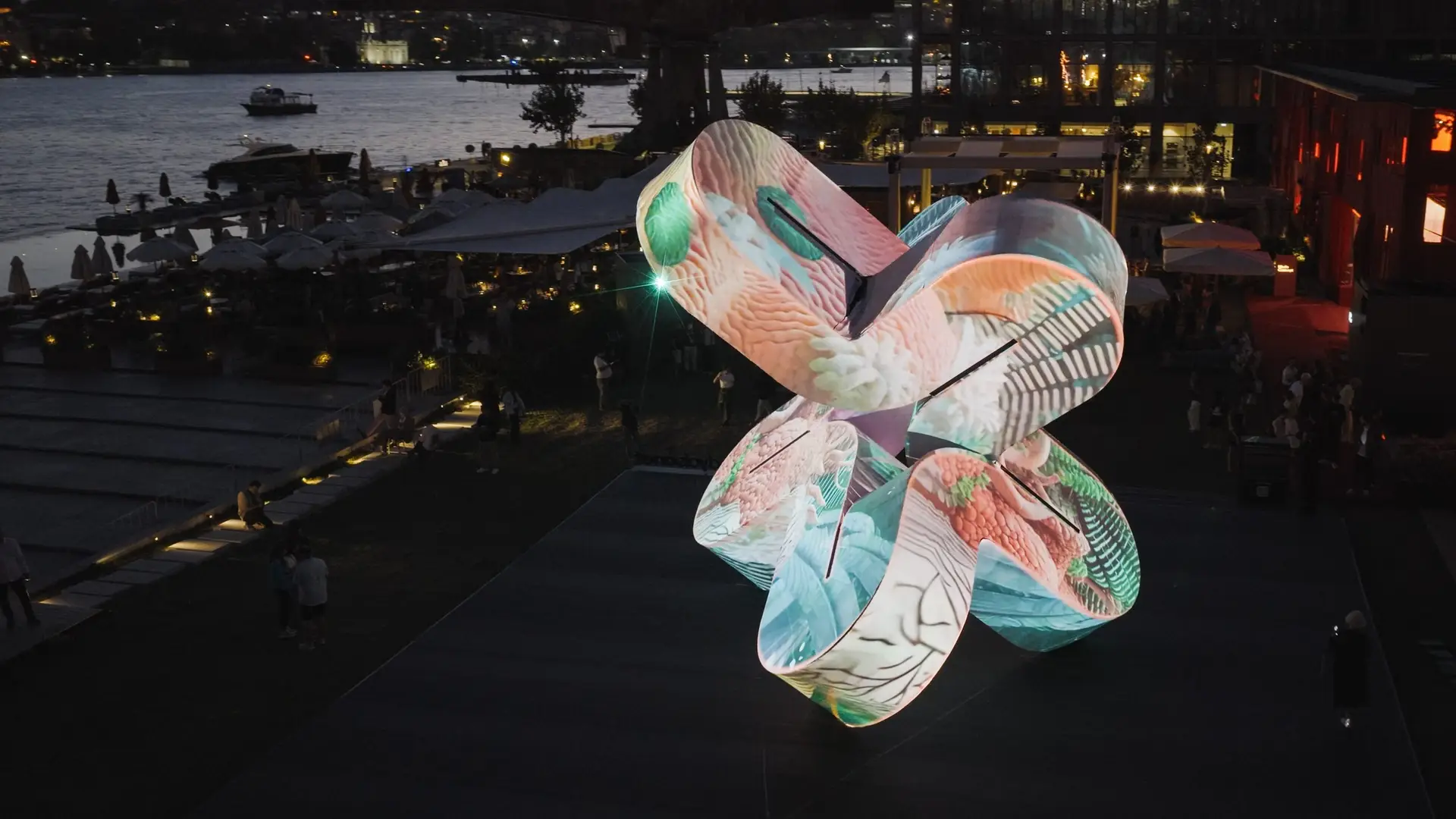
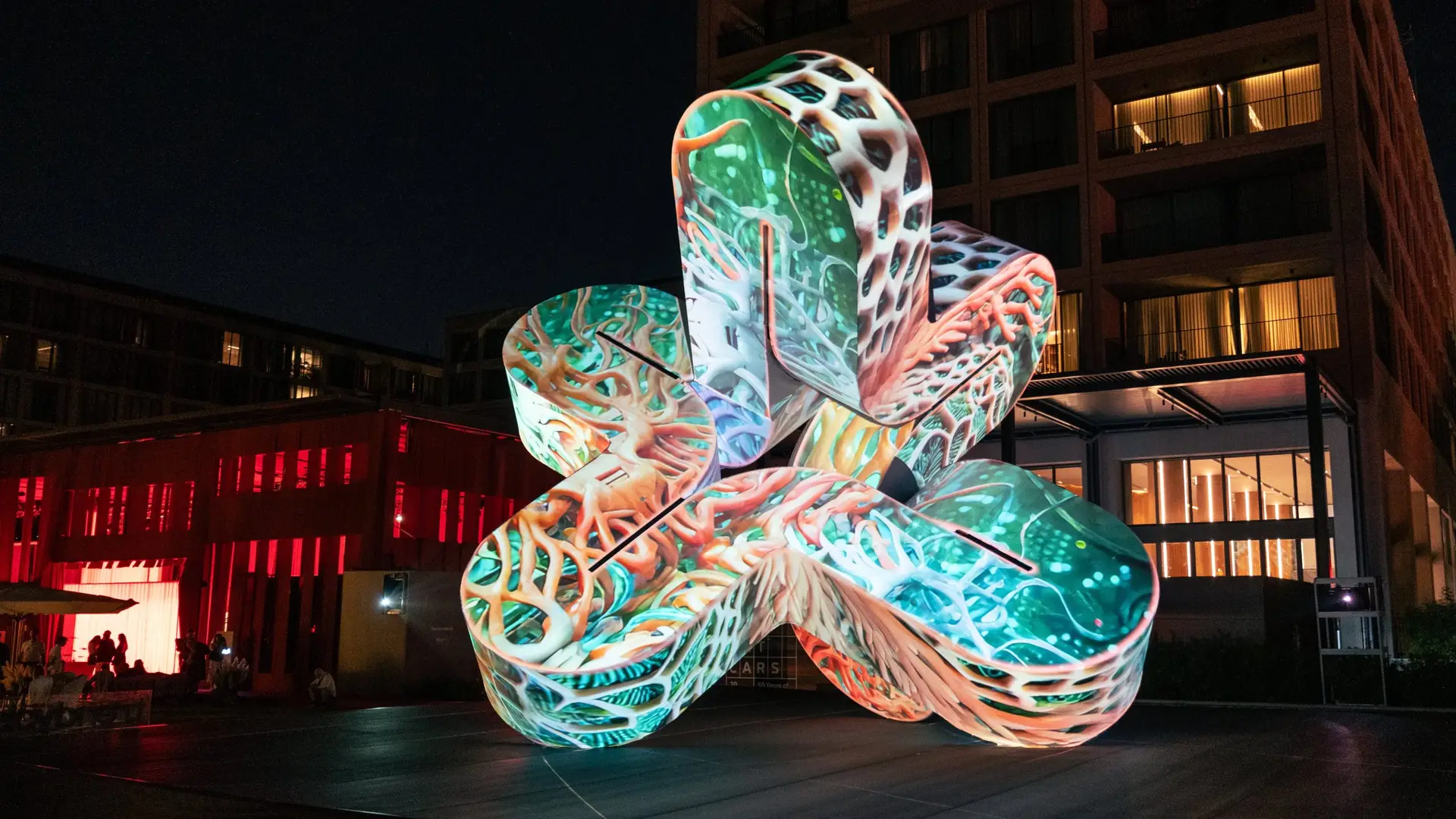
Güvenç Özel is an award-winning architect, artist, technology expert, and academic. He is widely recognized as a leading figure in the use of Extended Reality (XR) in architecture, as well as in interactive robotics and machine learning. Özel was in Istanbul for the 20th Contemporary Istanbul Art Fair that took place in September 24-28, with his work Neuroflux.

Özel explains that this piece is a conceptual evolution of a previous work, Holoflux, which he exhibited at Coachella in 2023: “While Holoflux focused on creating a spatially immersive environment, Neuroflux turned that exploration inward—toward the relationship between human cognition and machine intelligence. For this iteration, I used my own hand sketches and collages as the training material for the algorithm, embedding my visual sensibility into its generative logic. The process became a feedback loop—each machine-generated output informed a new round of manual drawings and digital manipulation. This continuous exchange blurred authorship, creating a shared creative space between human and algorithm. The title Neuroflux captures that neurological entanglement: the merging of human thought and computational flow into a single evolving aesthetic system.”

Özel credits RC for shaping his ability to think across disciplines: “RC instilled a form of intellectual curiosity that was both analytical and imaginative. That foundation made it natural for me to move between architecture, technology, and art—fields that now converge in my work. RC encourages independent inquiry, which is essential for anyone exploring a multidisciplinary path.”

For RC students looking to study interdisciplinary art or who are interested in the intersection of algorithms and art, Özel offers this advice: “I’d emphasize learning both the logic of systems and the nuance of human expression. Study code and computation, but also philosophy, literature, and visual culture. The most transformative ideas arise not from technical mastery alone, but from the ability to translate between intuition and computation. Interdisciplinary art today is about shaping new forms of intelligence—where creativity itself becomes a shared act between culture and technology.”

Ali Kazma RC 89 Invited Viewers to the Landscapes of the Mind at Istanbul Modern

Kazma continues to explore the meaning of human activity.

Curated by Öykü Özsoy Sağnak and Demet Yıldız Dinçer, Ali Kazma’s latest exhibition at the Istanbul Modern Photography Gallery featured six works by the lens-based artist and took place between June 14, 2025 and February 1, 2026.

In the exhibition, Kazma debuted his most recent work, Sumi, which documents one of the world’s oldest known methods of ink production. Alberto in Lisbon explores the transition of renowned writer Alberto Manguel’s library to Lisbon. Calligraphy and Tattoo, previously featured in the Turkish Pavilion at the 55th Venice Biennale, reflect Kazma’s ongoing fascination with craftsmanship. Finally, A House of Ink and Sentimental bring viewers closer to another RC alumnus, Orhan Pamuk RA 70.

In the exhibition text he penned, Pamuk shares how the collaboration began:

“In the summer of 2021, I approached the video artist Ali Kazma with a proposal: would he be interested in coming to my home and study in Cihangir and making a video in his particular style?”

Kazma and Pamuk spent significant time together during the process, and their easy camaraderie comes through in the resulting works. “We were always aware of our common high school and made no big deal of that—in the best RC tradition,” says Kazma.

For the launch of the exhibition, Alberto Manguel was in attendance, as well as many of Kazma’s RC classmates. (Watch a short video from the opening here: https://www.youtube.com/watch?v=RB35VRj9j4Y 

Kazma is currently teaching a course titled Moving Image in Contemporary Art at the SciencesPo University in Paris.  

Elif Uras RC 90 Sees Resistance in the Invisible Labor of Women

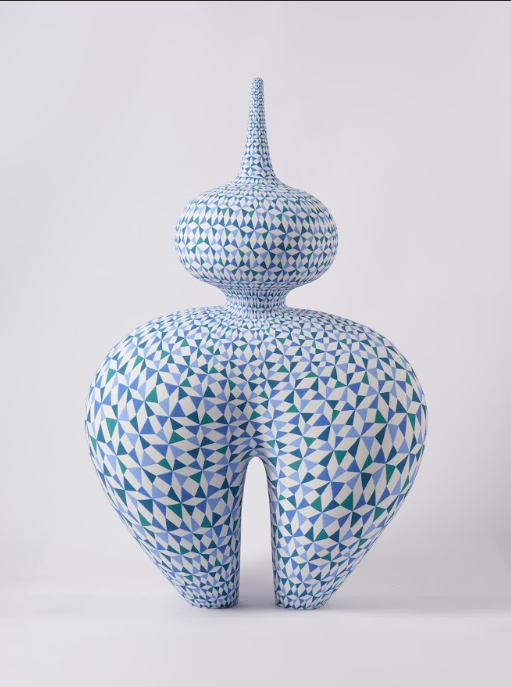
Earth on Their Hands is a show of ceramic vessels — and much more.

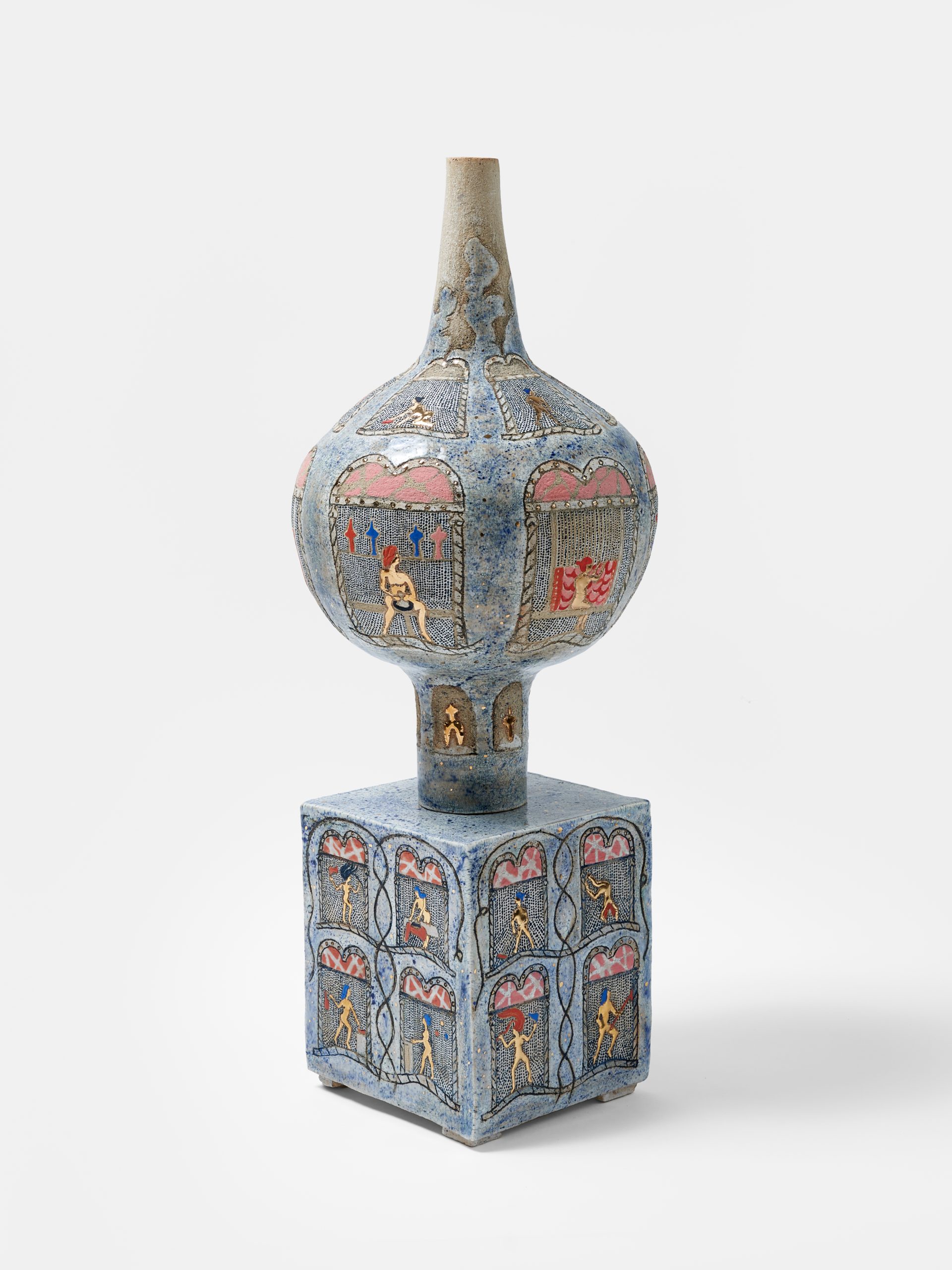
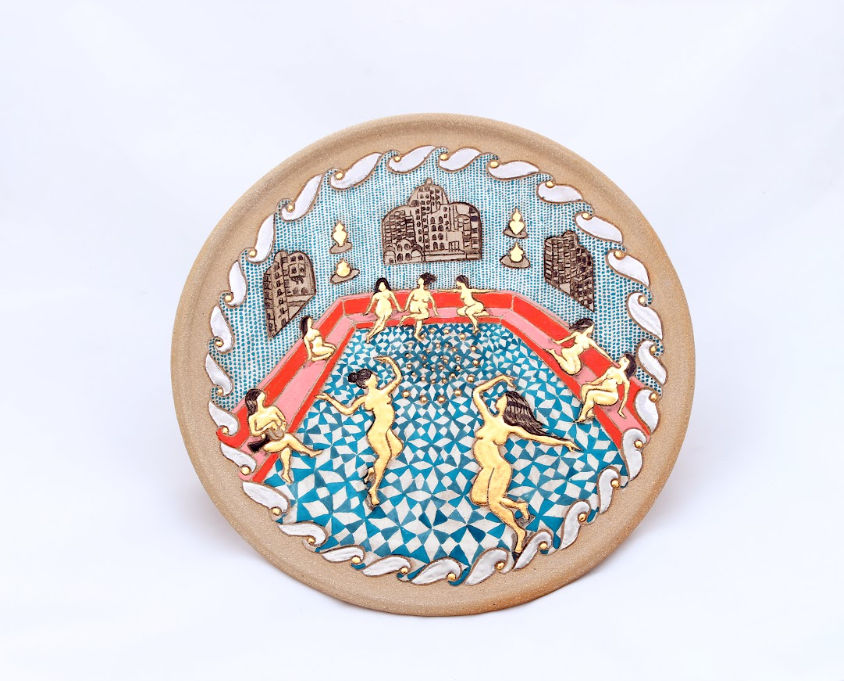
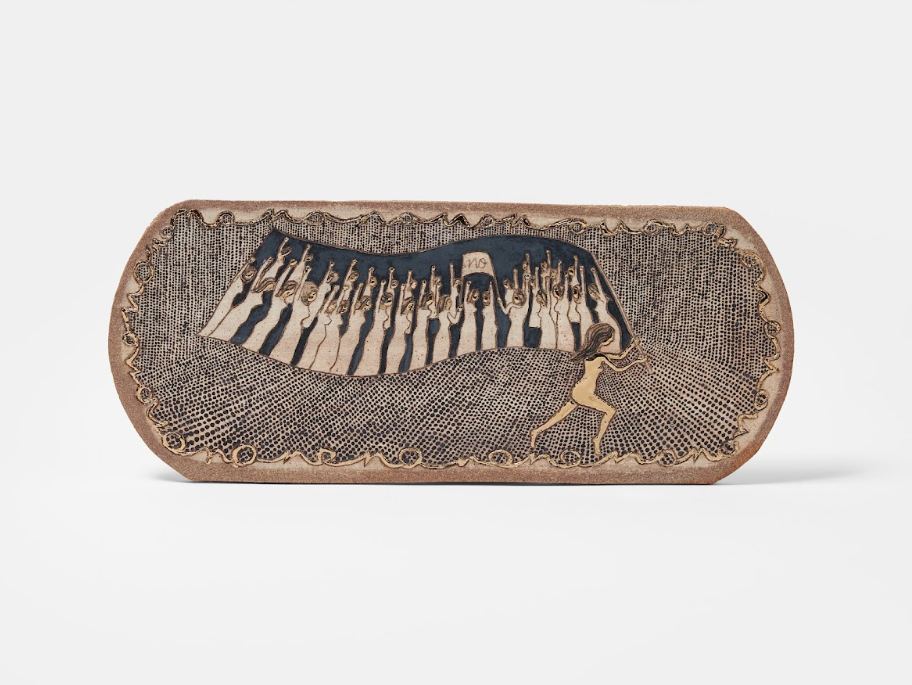
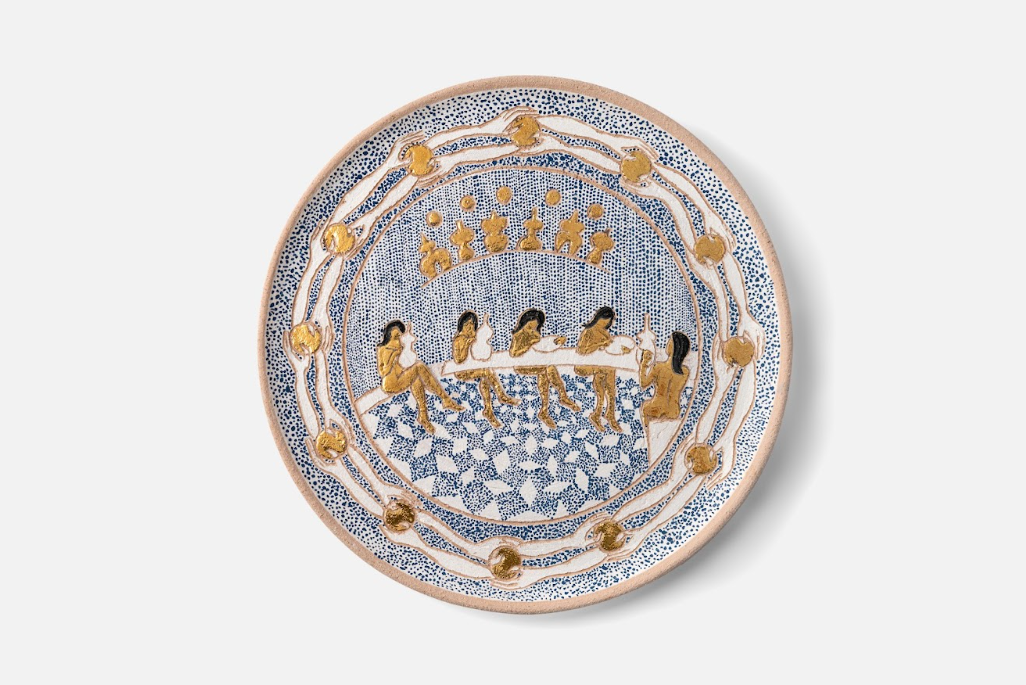
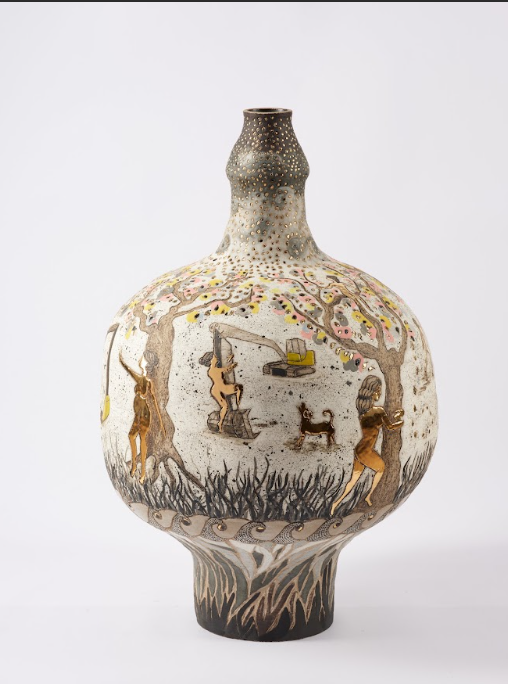
Renowned artist Elif Uras’s latest exhibition at Galerist, titled Earth on Their Hands, featured sculptures, tablets, plates, and vases — a blend of wheel-thrown and hand-built ceramic works created in New York, alongside slip-cast pieces produced in İznik, the historic center of Turkish pottery since the Ottoman era.

RCQ asked Uras about the themes explored in the show that took place between September 16-November 8, 2025. “The ceramic vessel is the most primal ceramic form, appearing at the dawn of human civilization,” she explained. “In his book The Great Mother, Jungian scholar Erich Neumann discusses the feminine archetype embedded in our collective unconscious and presents a formula: woman = vessel = body = world. I thought this formula distilled the essence of the show perfectly. Earth on Their Hands is about the vessel, the body, and the everyday labor that shapes, adorns, weaves, and fills them.”

“Thematically, I focused on female labor, communal solidarity, and mutual support,” she continued. “I traced the historical and symbolic relationship between Anatolian women and gold — not as a representation of patriarchal wealth or status, but as a tribute to the invisible, often unpaid labor of women.

Gilded female figures populate the surfaces of the works, engaged in acts of caregiving, domestic labor, agriculture, and heritage crafts such as weaving and pottery. By rendering these figures in gold and setting them in ceramic, I hope to elevate these undervalued activities into expressions of resilience and resistance, giving them a timeless and mythic presence.

Uras finds the positive feedback on the show deeply rewarding. “I lived with these works in my head for over two years, so it was incredibly gratifying to finally install them as a cohesive body of work in a historic building in Istanbul,” she said. “I think the exhibition resonated with people not only because of its visual language, but also because it speaks to contemporary concerns and everyday life. During these extremely uncertain and difficult times, living with this work gave me both hope and joy, and I’m so happy to see that reflected back by viewers.”

Uras believes RC played a pivotal role in shaping her artistic vision, particularly through the presence of strong, independent-minded female role models. “It was at RC that my passion for art was truly sparked. I vividly remember the art studio as a magical and nurturing space — one that encouraged curiosity, experimentation, and self-expression. Maria Sezer and Nancy Atakan were incredible mentors, not only in their technical guidance but also in their commitment to critical thinking.”