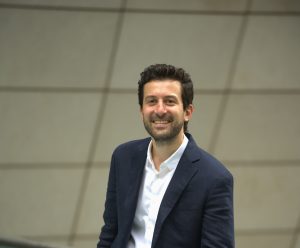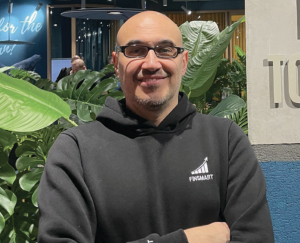

Were you interested in business and entrepreneurship early on?
The entrepreneurial instinct was there quite early. As a child, I was very interested in comic books. One summer, I went to a gathering where children were selling their comics. I only had enough money to buy a few, but then an idea came to me: I could rent out the comics I owned for a small fraction of their sale price. In a short time, I earned enough to buy more comics and keep the ones I already had. I learned something important: entrepreneurship often begins with noticing an unmet need and finding a practical way to create value.
Was there a teacher or mentor who had a lasting impact on your life?
When I told my father I wanted to leave a corporate career to start my own company, he thought I was making a mistake. I responded that I wanted to build something of my own. As ÜNLÜ&Co celebrates its 30th anniversary, I realize that meaningful mentors are not always the people who agree with you. Sometimes, they are the ones who challenge your assumptions and push you to think more deeply about your decisions.
What advice would you offer to someone building their first company today?
People often think entrepreneurship is about taking risks. I believe it is more about recognizing opportunities. Luck plays a much larger role in life than we sometimes admit, but entrepreneurs are the ones who notice it when it appears and are prepared to act on it. Do not become overly focused on achieving success overnight. Focus instead on surviving, learning, and building trust. The first years are about staying in the game.
What qualities should young entrepreneurs develop before seeking investment?
Entrepreneurs should first focus on developing sound judgment. Money can accelerate a good business, but it rarely fixes a weak one. Young founders should spend more time understanding their clients, building resilient teams, and learning how to make decisions under uncertainty. Ultimately, investors back people who can continue making good decisions when conditions become more challenging.
Do today’s entrepreneurs have it easier or harder than your generation did? Why?
In many ways, starting a business is easier today. Access to information, networks, and capital has improved dramatically. Founders can now understand markets, reach potential partners and investors, and test ideas much faster than we could. At the same time, entrepreneurship has become far more competitive. Similar ideas and startups can emerge almost simultaneously in different parts of the world. Competition is no longer only local; it is global from the very beginning.
What is one lesson you learned at RC that turned out to be valuable in business?
At RC, I appreciated subjects that encouraged analytical thinking, but over time I realized that literature and history were equally valuable. Business is ultimately about understanding people, and those subjects help develop perspective and empathy.