Mete Meleksoy RC 84

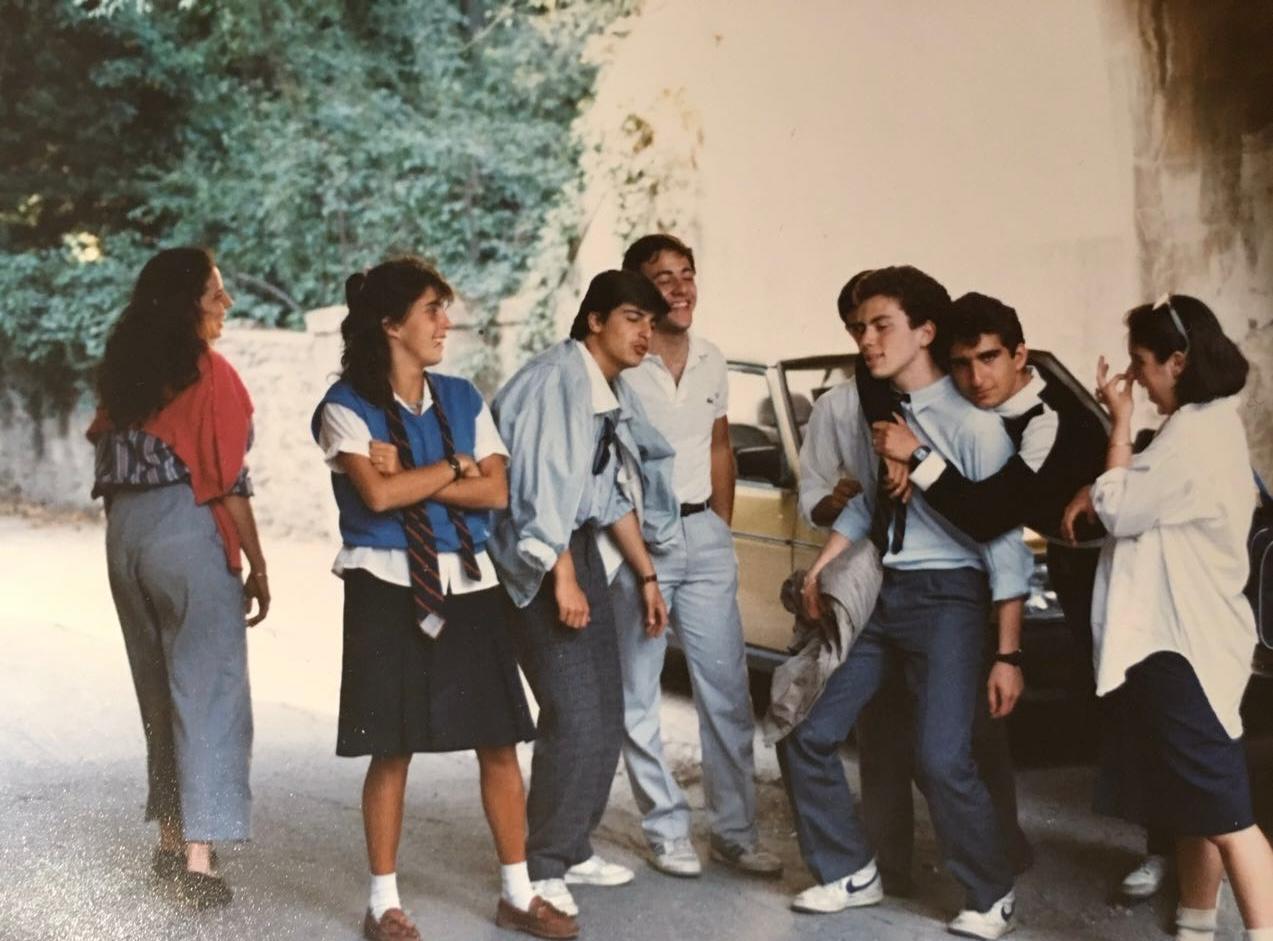
We are deeply saddened to share the passing of Mete Meleksoy RC ’84, who died unexpectedly on November 12, 2025. A respected leader in Turkey’s education and civil society sectors, Mete touched countless lives through his commitment to opportunity, integrity, and service.

After graduating from Robert College, Mete studied Political Science at Boğaziçi University and later completed his master’s degree at Marmara University’s Institute of European Union Studies. His career spanned both the public and private sectors, including roles in the European Commission’s Brussels and Ankara offices, investment banking, and international relations.

From 2006 to 2013, Mete served as the Secretary General of the Istanbul Chamber of Industry (ISO). In 2014, he became the General Manager of the Turkish Education Volunteers Foundation (TEGV), where he led transformative programs aimed at expanding educational opportunities for children across Turkey. During his tenure, he strengthened the organization’s institutional capacity, broadened its volunteer network, and championed the principle of equal access to quality education.

Colleagues and friends remember Mete as a warm, thoughtful, and visionary leader—a person who approached every interaction with sincerity, humility, and purpose. His dedication to public good, his deep belief in the power of education, and his generous spirit left an enduring impact on all who worked with him.

Mete Meleksoy will be remembered for his kindness, his steady leadership, and his unwavering commitment to children’s education.
We extend our heartfelt condolences to his family, friends, and the entire Robert College community.

He will be profoundly missed.

Zeynep Yalım Uzun RC 86 Joins Fenerbahçe Sports Club Board

“Passion drives sports, but professionalism sustains it.”

A seasoned executive and a lifelong Fenerbahçe fan, Uzun is committed to making sports a more inclusive arena.

How involved were you in sports at RC? 

I was quite active at RC — maybe not the star athlete, but definitely a spirited participant! The Plateau was a fantastic place where I would often go running with my best friend, Dilara Göksel. We even participated at one of the first Avrasya Marathons) as one of the few young women running. RC, with its many sports facilities, encouraged me at an early age to express myself with sports. I was also a licensed  sailor. 

What influenced your decision to join the Board of the new Fenerbahçe administration?

It was a mix of passion and purpose. As a lifelong Fenerbahçe fan, I have enjoyed being a dedicated  spectator .I felt this was a moment when sports clubs needed to evolve — to bring in new perspectives on governance, brand building, digitalization, and social impact. I also believe that greater female representation and diversity can help the sports world advance in a positive way. So when President Sadettin  Saran offered me the opportunity to join his team, I saw it as a chance to serve the club I love, while contributing my leadership and marketing experience to help shape a more modern, inclusive, and future-ready Fenerbahçe.

What added value and skills can people from non-sports-related careers bring to sports clubs?

A great deal actually! Modern sports clubs are complex organizations, needing strategic thinking, brand management, financial discipline, community building, and digital innovation, not just athletic excellence. People from different professional backgrounds bring diverse lenses that can strengthen the club’s institutional foundations. Passion drives sports, but professionalism sustains it.

What are your observations about sports club management so far? Have there been any surprises or unexpected aspects to the role?

What has surprised me most is the intensity of emotion. In business, we talk about brand love; here, we  live it every day. Every decision is felt instantly by millions of people. That level of engagement is both the biggest challenge and the biggest privilege.

The level of professionalism behind the scenes is also impressive — the dedication of our teams, the volunteer spirit and commitment  of the Board, and the shared ambition to make Fenerbahçe a club that not only wins but leads by example.

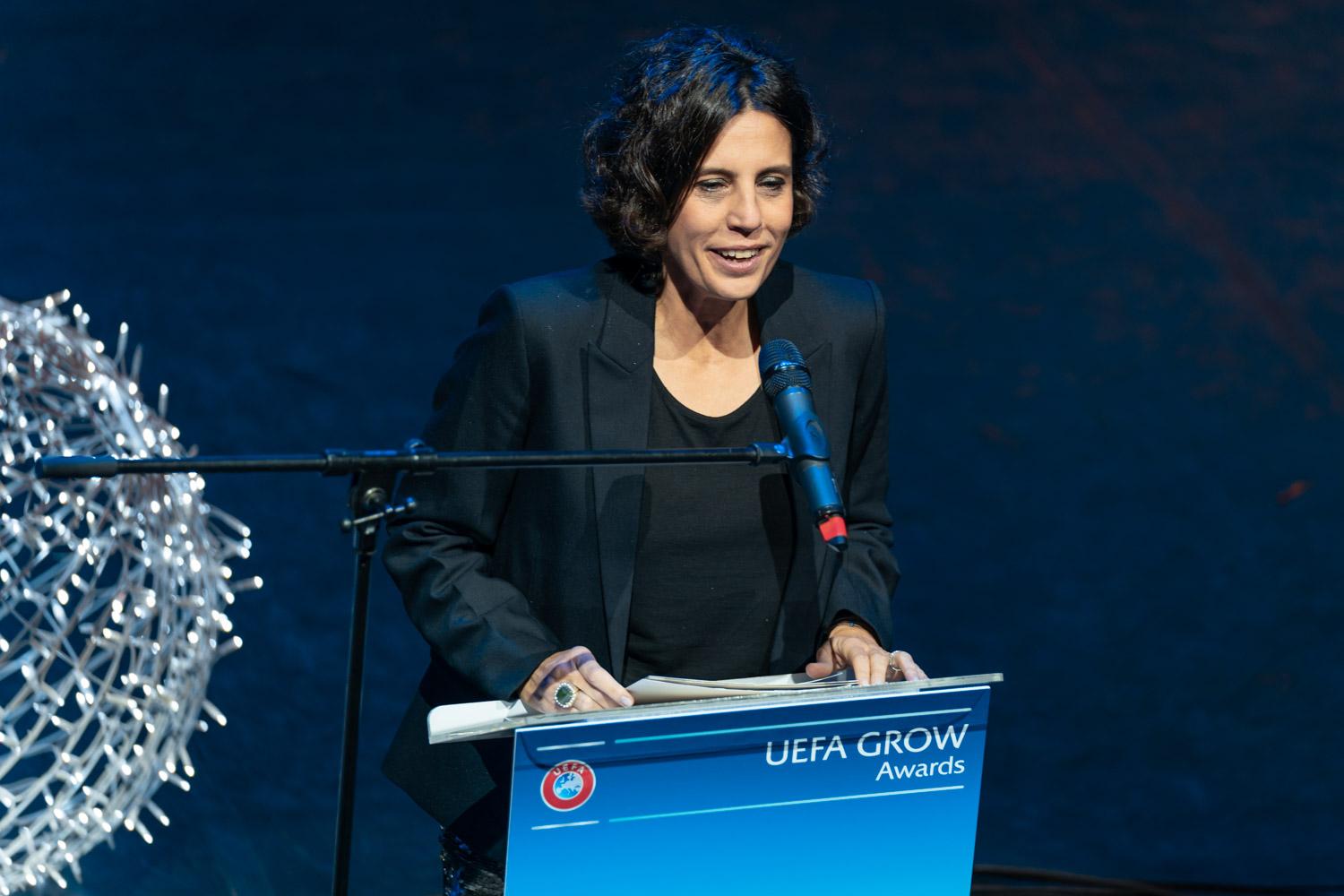
Ebru Köksal RC 86 Leads In Creating A More Equitable Football Industry

Ebru Köksal RC 86 Leads In Creating A More Equitable Football Industry

“Sports has an extraordinary power to challenge stereotypes, promote inclusivity and redefine what leadership looks like.”

Ebru Köksal is a non executive director (NED), working with a range of organisations across public, private and voluntary sectors and also the chair of the international NGO Women in Football. She was Turkey’s first female CEO of a men’s football club, namely Galatasaray.

Any memories from the times you played basketball at RC?

I remember vividly the sense of belonging and the camaraderie that sports created. Mr. Cameron and Mr. Phillips taught us discipline and teamwork, but also resilience, how to bounce back after a loss, how to show up for each other no matter what. From our class, we were eight members on the team and we are still closest friends for life.

Your career includes many sports-related firsts. Which of these have been particularly fulfilling for you, and why?

Becoming the first female CEO of a men’s football club in Turkey and one of the first in Europe was both the most challenging and the most fulfilling milestone of my career. Leading Galatasaray was an incredible honour but also a profound test of resilience and courage. It opened the door for other women to aspire to leadership roles in football and breaking barriers in a traditionally male dominant industry remains one of my greatest sources of pride.

Being the “first” or the “only” one has never been what mattered most, ensuring that you are not the “last” is the real legacy. 

Equally fulfilling has been my work with Women in Football, a UK-based NGO with over 12,000 members worldwide. Through our leadership programmes and advocacy, we help women develop their skills, thrive in football and reach senior roles, building a more inclusive and equitable industry for generations to come.

How did RC impact your leadership journey?

The school’s emphasis on critical thinking, community service and forward thinking laid the foundation for my leadership style. I learned to challenge norms respectfully, to lead with integrity and to value collaboration over competition. These principles have guided me through every boardroom and strategic role in my career.

In what ways can sports contribute to gender equality?

When women are visible as players, coaches, executives and leaders of sports organizations, they inspire a new generation to believe that anything is possible.

What advice would you give to RC students or graduates considering a career in sports management?

If you’re passionate about sports and curious about the business behind it, sports management can be an incredibly dynamic career. My advice: start by understanding the whole ecosystem from athletes to governing bodies, media to sponsors. The industry needs visionary leaders, who combine business acumen with purpose and heart and I believe RC graduates are uniquely equipped to rise to that challenge. Barriers exist to be broken. If you love the game, there’s always a way to make your entry and leave your lasting mark.

Alp Yalman

Don’t miss this conversation with Alp Yalman RC 59 as he reflects on Robert College and a lifetime shaped by sport and leadership.

The Dave Phillips Memorial Game: Friendship Above the Scoreboard

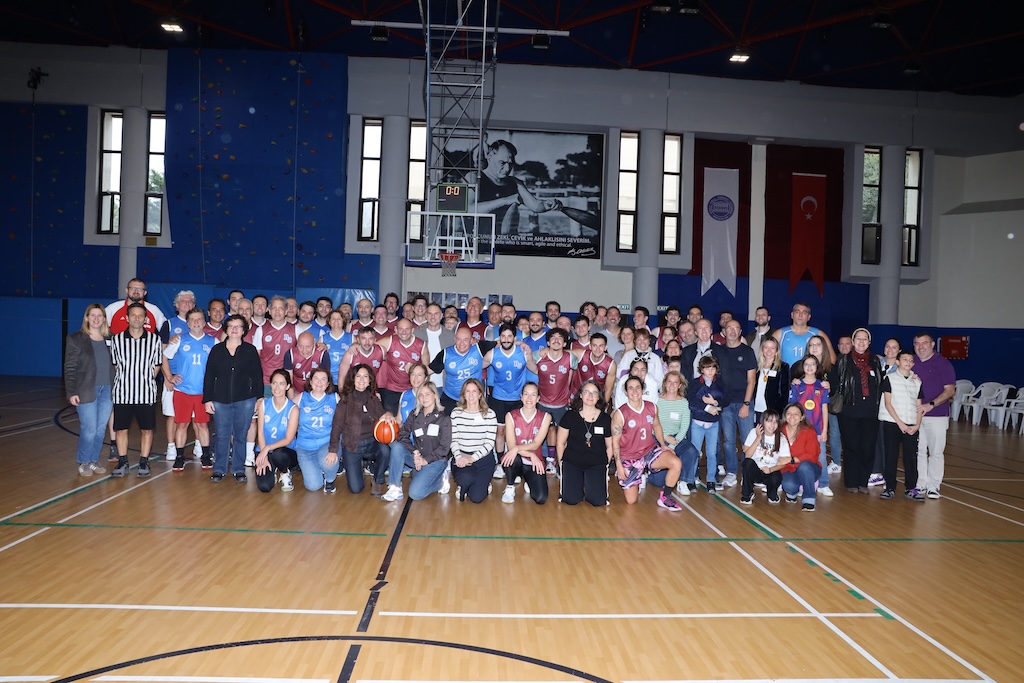
One of the most anticipated traditions of Homecoming, the Dave Phillips Memorial Game, once again filled the Nejat Eczacıbaşı Gym with energy, laughter, and nostalgia.

Around 40 alumni took to the court — some showing flashes of their old form, others relying more on heart than speed — but all united by the same RC spirit. Split into two teams and refereed by PE Teacher and Athletic Director Mauricio Araya Gonçalves, the game unfolded in four lively quarters. Kaan Kural RC 92, the unmistakable voice of RC basketball, kept the crowd entertained with his spirited commentary and good humor.

The Blue Team technically won by four points — though, in truth, no one will ever remember the score. What everyone will remember is the laughter, the camaraderie, and the joy of seeing old teammates reconnect where it all began.

ReConnecting at Homecoming 2025

Homecoming 2025 brought the Robert College spirit vividly to life once again. With 539 alumni returning to campus from near and far, this year’s theme – ReConnect – resonated deeply across every corner of the hill.

The day was filled with reunions and milestones: from the RC 75 Golden Reunion luncheon to the 100th anniversary gathering of the Student Council, the Dave Phillips Memorial Game, the Berker Fellows reunion, and the handover of the time capsules to RC 20. The oldest attendees were the “Golden Girls” of ACG 55, while the alumni who traveled the farthest joined us from California.

The Assembly, both emotional and uplifting, was led by Head of School Whitman Shepard, warmly welcomed back to the RC stage. His message centered on responsibility, reputation, and resilience, and he expressed gratitude to RC’s generous donors. Highlights included a touching AI-generated tribute to Coach Dave Phillips, a preview of the new RCQ Digital platform, and recognitions for the Student Council, Berker Fellows, and the RCQ Editorial Board.,

Behind the scenes, Homecoming was a true team effort, a day made possible by the dedication of staff, faculty, students, and volunteers. From the Plant, Security, ISS, and Aşkur teams to the PE Department, Student Council, and our student ushers, everyone’s commitment shone through.

It was a day of joy, pride, and belonging – a celebration of what makes Robert College more than a school: a lifelong community that continues to reconnect, year after year.

Ali Kazma RC 89 Invited Viewers to the Landscapes of the Mind at Istanbul Modern

Kazma continues to explore the meaning of human activity.

Curated by Öykü Özsoy Sağnak and Demet Yıldız Dinçer, Ali Kazma’s latest exhibition at the Istanbul Modern Photography Gallery featured six works by the lens-based artist and took place between June 14, 2025 and February 1, 2026.

In the exhibition, Kazma debuted his most recent work, Sumi, which documents one of the world’s oldest known methods of ink production. Alberto in Lisbon explores the transition of renowned writer Alberto Manguel’s library to Lisbon. Calligraphy and Tattoo, previously featured in the Turkish Pavilion at the 55th Venice Biennale, reflect Kazma’s ongoing fascination with craftsmanship. Finally, A House of Ink and Sentimental bring viewers closer to another RC alumnus, Orhan Pamuk RA 70.

In the exhibition text he penned, Pamuk shares how the collaboration began:

“In the summer of 2021, I approached the video artist Ali Kazma with a proposal: would he be interested in coming to my home and study in Cihangir and making a video in his particular style?”

Kazma and Pamuk spent significant time together during the process, and their easy camaraderie comes through in the resulting works. “We were always aware of our common high school and made no big deal of that—in the best RC tradition,” says Kazma.

For the launch of the exhibition, Alberto Manguel was in attendance, as well as many of Kazma’s RC classmates. (Watch a short video from the opening here: https://www.youtube.com/watch?v=RB35VRj9j4Y 

Kazma is currently teaching a course titled Moving Image in Contemporary Art at the SciencesPo University in Paris.  

Elif Uras RC 90 Sees Resistance in the Invisible Labor of Women

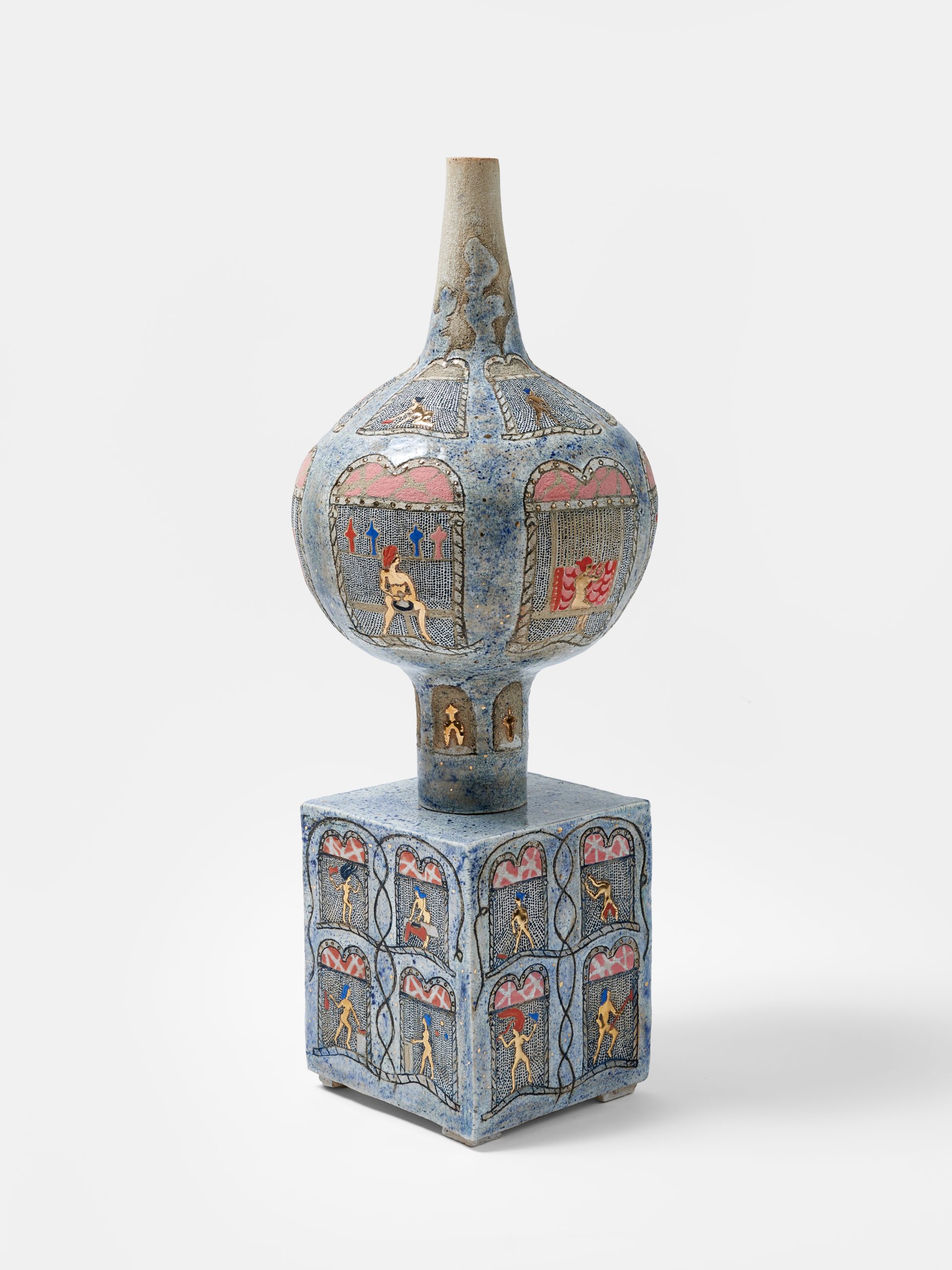
Earth on Their Hands is a show of ceramic vessels — and much more.

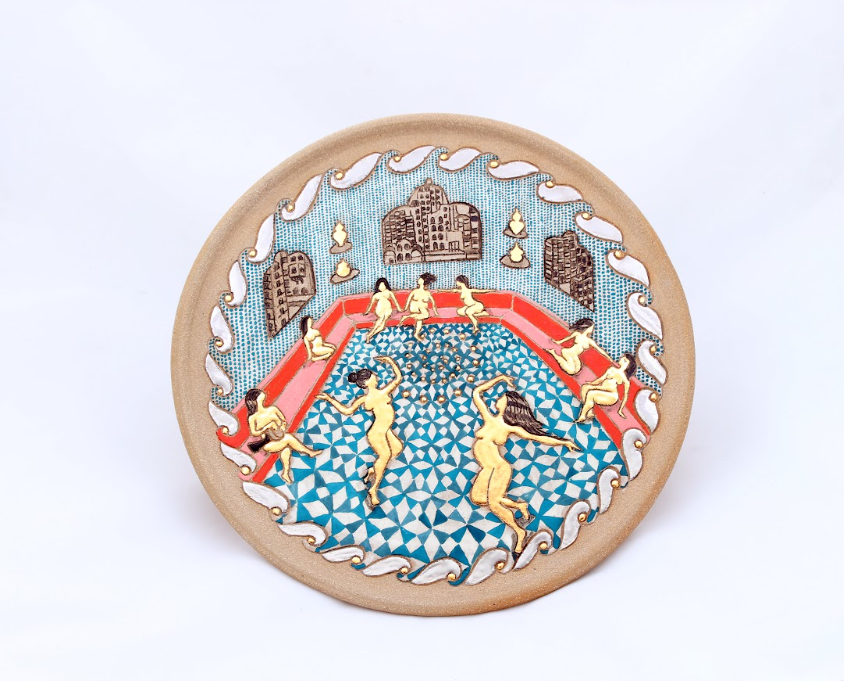
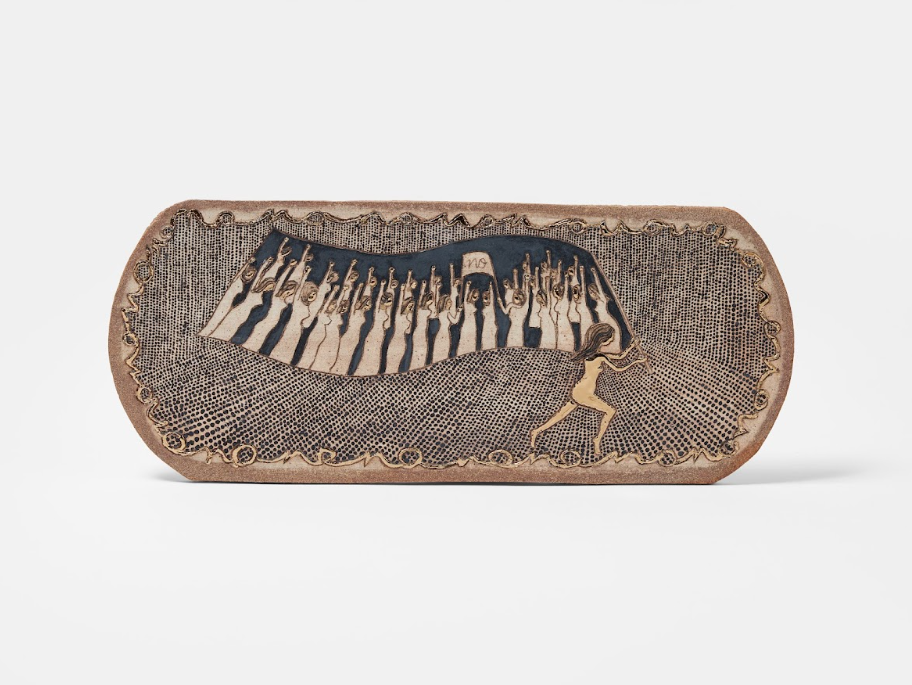
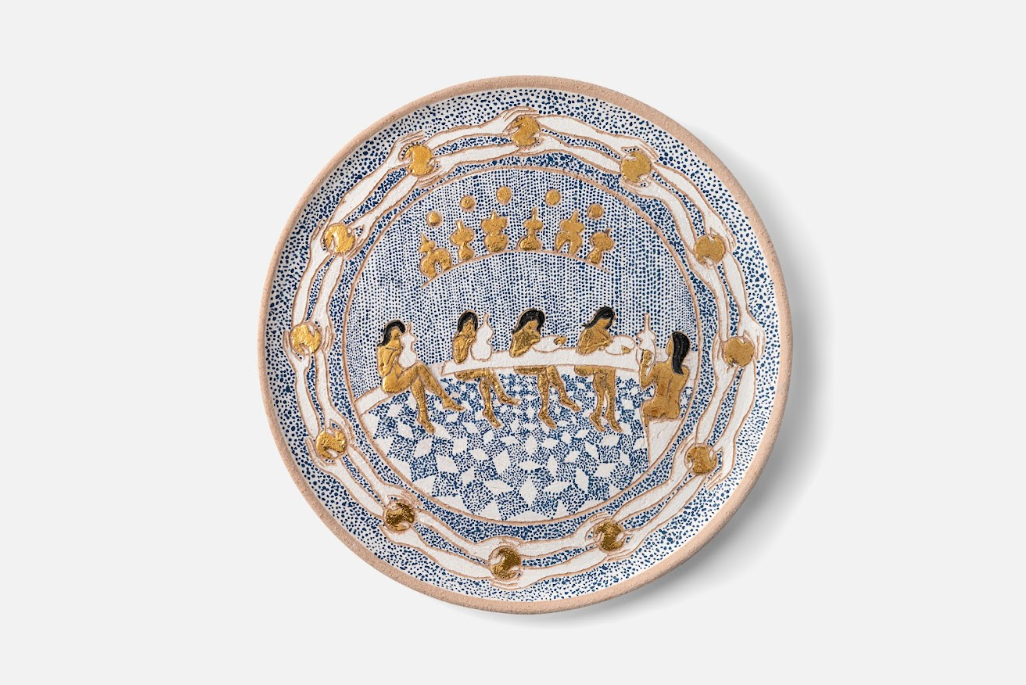
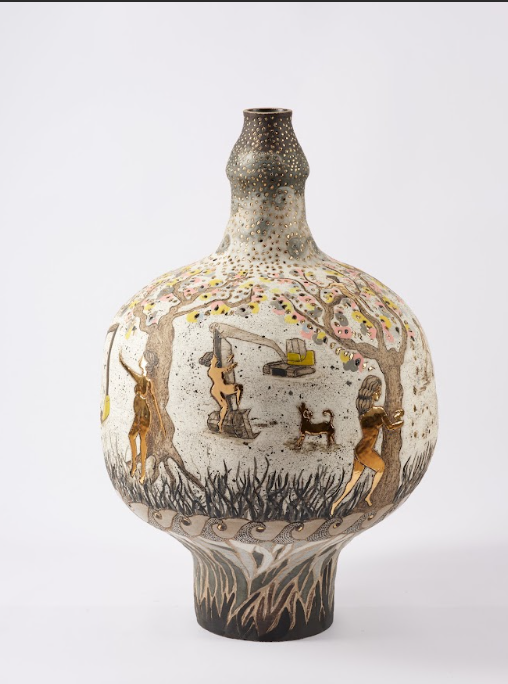
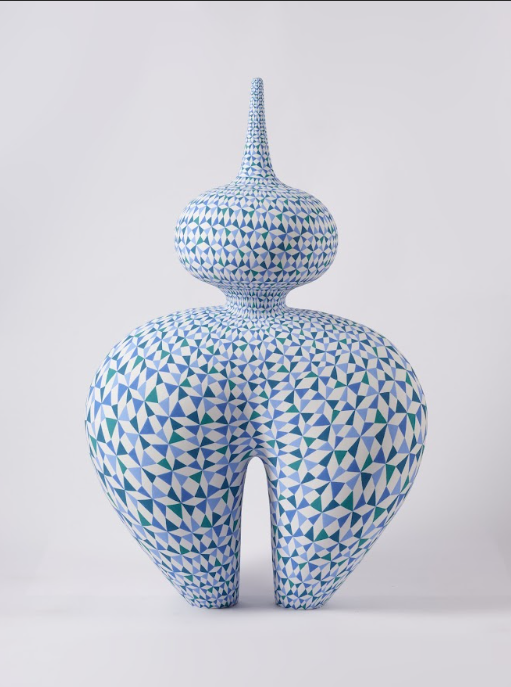
Renowned artist Elif Uras’s latest exhibition at Galerist, titled Earth on Their Hands, featured sculptures, tablets, plates, and vases — a blend of wheel-thrown and hand-built ceramic works created in New York, alongside slip-cast pieces produced in İznik, the historic center of Turkish pottery since the Ottoman era.

RCQ asked Uras about the themes explored in the show that took place between September 16-November 8, 2025. “The ceramic vessel is the most primal ceramic form, appearing at the dawn of human civilization,” she explained. “In his book The Great Mother, Jungian scholar Erich Neumann discusses the feminine archetype embedded in our collective unconscious and presents a formula: woman = vessel = body = world. I thought this formula distilled the essence of the show perfectly. Earth on Their Hands is about the vessel, the body, and the everyday labor that shapes, adorns, weaves, and fills them.”

“Thematically, I focused on female labor, communal solidarity, and mutual support,” she continued. “I traced the historical and symbolic relationship between Anatolian women and gold — not as a representation of patriarchal wealth or status, but as a tribute to the invisible, often unpaid labor of women.

Gilded female figures populate the surfaces of the works, engaged in acts of caregiving, domestic labor, agriculture, and heritage crafts such as weaving and pottery. By rendering these figures in gold and setting them in ceramic, I hope to elevate these undervalued activities into expressions of resilience and resistance, giving them a timeless and mythic presence.

Uras finds the positive feedback on the show deeply rewarding. “I lived with these works in my head for over two years, so it was incredibly gratifying to finally install them as a cohesive body of work in a historic building in Istanbul,” she said. “I think the exhibition resonated with people not only because of its visual language, but also because it speaks to contemporary concerns and everyday life. During these extremely uncertain and difficult times, living with this work gave me both hope and joy, and I’m so happy to see that reflected back by viewers.”

Uras believes RC played a pivotal role in shaping her artistic vision, particularly through the presence of strong, independent-minded female role models. “It was at RC that my passion for art was truly sparked. I vividly remember the art studio as a magical and nurturing space — one that encouraged curiosity, experimentation, and self-expression. Maria Sezer and Nancy Atakan were incredible mentors, not only in their technical guidance but also in their commitment to critical thinking.”

Yasemin Altıntaş RC 04 Believes Mental Strength Is Key to Open Water Swimming

“There’s a growing fascination with open water swimming because it represents something deeply human.”

Yasemin Altıntaş is one of Turkey’s leading open water swimmers, with numerous international accolades—and solid advice for anyone interested in trying the sport.

How did you become involved in open water swimming? How did RC contribute to your interest?
My time at RC was where swimming really took shape for me. I created and captained the swimming team, and through competitive swimming I learned discipline, structure, and a sense of commitment to something bigger than myself. My deeper involvement with open water swimming came much later.

RC teaches you to be curious, resilient, and to take initiative—values that matter most when you’re in the middle of the ocean.

 What skills or qualities does open water swimming require?
It demands more than physical stamina. It’s a test of emotional resilience, patience, and adaptability. The ocean doesn’t follow a predictable rhythm like a pool; it’s alive and constantly changing. Every long swim becomes a dialogue with your mind. The ability to stay present, breathe through discomfort, and trust your preparation makes all the difference.

You can’t fake endurance—it’s built over time through repetition and commitment. You must also develop awareness of your body, your rhythm, and the sea’s mood.

What kind of interest do you see in the general public toward open water swimming?
There’s a growing fascination with it because it represents something deeply human: freedom, connection to nature, and inner strength. After the pandemic, many swimmers ventured outdoors simply because they needed physical and mental space—and quickly discovered it’s not just a sport but a form of meditation.

Open water swimming is also becoming more inclusive and accessible. Many people now join community swims or cold-water dips. I’m very engaged in expanding this community; while channel swimming may not be for everyone, open water can be.

You were recently stung by a jellyfish. Are these dangers typical?
When I was stung by a Portuguese Man O’ War in Hawaii, I already knew what to expect. I’d been told it would hurt intensely and that I might struggle to move for about thirty minutes, but that it would pass—and that I’d regret it if I stopped. Having that knowledge helped me stay calm and keep going.

The greatest danger in this sport isn’t the wildlife; it’s underestimating the sea itself.

Any advice for RC alumni or students considering open water swimming?
Start gently and approach it with curiosity rather than pressure. Begin with short swims close to shore, ideally with a group or coach who knows the local conditions. Always prioritize safety.

Focus on mindset. Some days will feel effortless; others will feel like an uphill battle. The key is not to resist either experience. The ability to stay composed and steady in an unpredictable environment is what makes the sport so rewarding—both in and out of the water.


Kaan Kural RC 92 Traces His Love of Basketball to RC

“Watching NBA game tapes with Mr. Phillips took my interest to another level.”

A leading figure in sports commentary and writing, Kaan Kural’s true passion has always been basketball — and the 2028 Olympics in Los Angeles is the one event he’s most looking forward to.

In which sports were you involved at RC?
I was a member of the basketball and track & field teams, but as a boarding student, I got involved in almost every sport the school offered. I dedicated more time to athletics than academics — which says a lot about my commitment to both.

Many teachers stand out, but Dave Phillips is a particularly distinct figure. He was both my basketball coach and my overall sports mentor. He genuinely encouraged us to participate. I remember in my senior year, only one other classmate and I were interested in archery. For PE class, he gave us the keys to the Plateau depot so we could fetch the archery equipment and do our thing while he supervised the rest of the students. He never said, “Do what everyone else is doing.” Instead, he encouraged us to “do whatever you like.”

How did you fall in love with basketball?
As a boarding student, you have a lot of free time. During winter, you need to find indoor activities — and naturally, the gym became the go-to option. To be involved in sports at RC at the time, you had to play basketball. I loved it from the start. I watched the older students play and admired them. I tried to improve, had fun, and played every single day without ever getting bored.

Dave Phillips brought NBA game tapes, and we’d watch them together in the AV room. That took my interest and fandom to a whole new level.

You’ve done many things in your career — writing, acting, commentating, publishing. Which of these has been the most fulfilling for you?
Writing. Writing is both instinctive and spontaneous, yet also prepared and structured. With writing, you can always pinpoint exactly what you want to express — the precise thought, feeling, or theory you had. Everything I’ve done has its own strengths and rewards, but I’ve always felt that writing allows me to convey exactly what I want to get across.

What advice would you give RC students considering a career in sports content or commentating?
Just produce. Never stop reading, learning, and developing your skills — and keep producing. It’s the best way to improve in any field, and it also helps you build a portfolio for future opportunities. Start with podcasting, writing columns — whatever speaks to you. They’ll be rough at first. When I look back at my early work, I’m embarrassed by how inadequate most of it was. But that’s how I — and really, how anyone — improves. Just like in sports: practice.